



Not sure where to start?
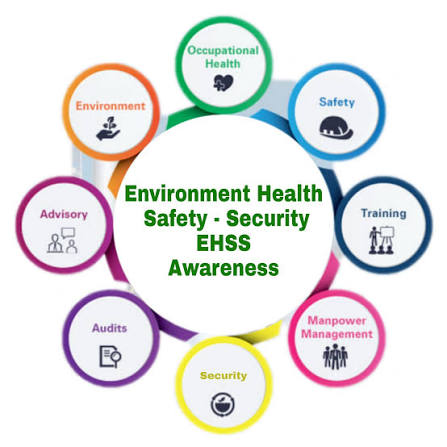
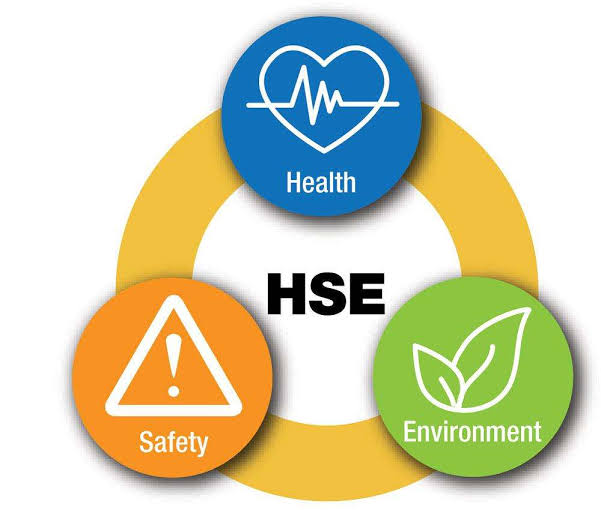
Occupational Safety and Environmental Health (OSEH) is a multidisciplinary field that combines workplace safety, occupational health, and environmental management. Its primary goal is to ensure that organizations operate safely, responsibly, and in a way that protects both human health and the environment.
It plays a key role in reducing workplace risks, preventing injuries and diseases, and minimizing environmental damage caused by industrial and organizational activities.
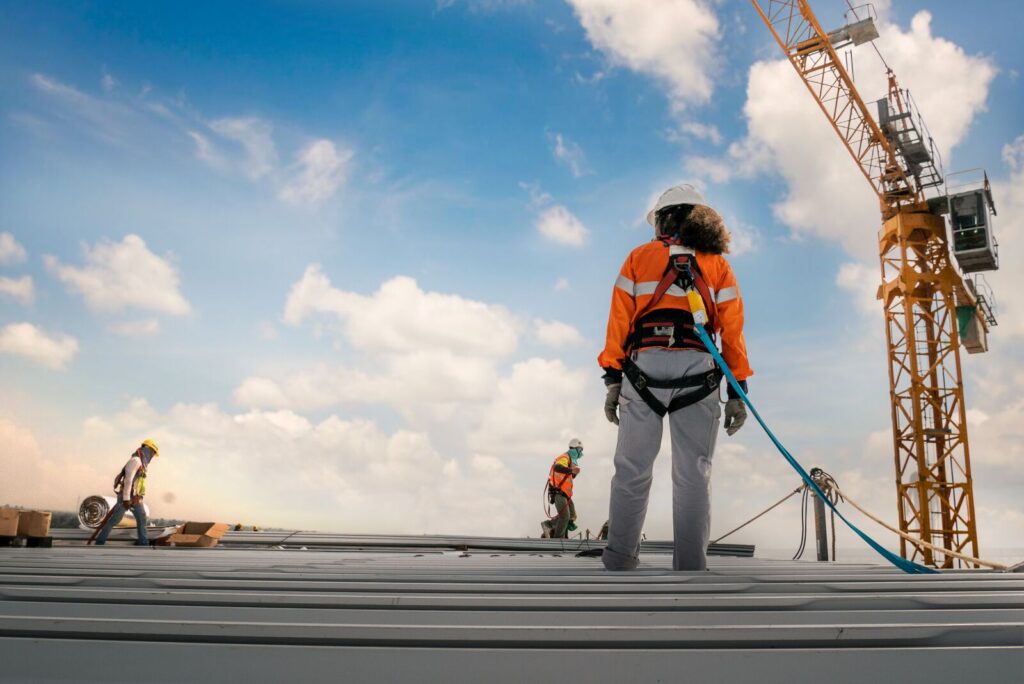
Occupational safety focuses on preventing workplace accidents, injuries, and fatalities by identifying risks and implementing preventive measures.
This includes:
Common hazards include slips and falls, electrical risks, fire hazards, and machinery-related injuries.
Occupational health focuses on promoting the physical and mental well-being of employees while preventing work-related illnesses.
It addresses:
Early detection and prevention are key priorities in occupational health.
Environmental health focuses on reducing the impact of workplace activities on the environment and surrounding communities.
It involves:
Implementing strong OSEH systems provides significant benefits, including:
Effective OSEH systems follow a structured risk management process:
| Hazard Type | Examples |
|---|---|
| Physical | Noise, heat, radiation, vibration |
| Chemical | Solvents, gases, pesticides |
| Biological | Viruses, bacteria, fungi |
| Ergonomic | Poor posture, repetitive tasks |
| Psychosocial | Stress, harassment, workplace violence |
Please fill in this form and one of our team members will give you a call back to arrange a consultation with one of our specialits
Mukono, off Katosi Road, Opposite Total Petrol Station
Breeze Health & Safety Services LTD provides trusted First Aid and Fire Safety Trainings alongside medical and emergency services, helping communities stay safe and prepared.


©2025, All Rights Reserved by Breeze Health & Safety Services LTD